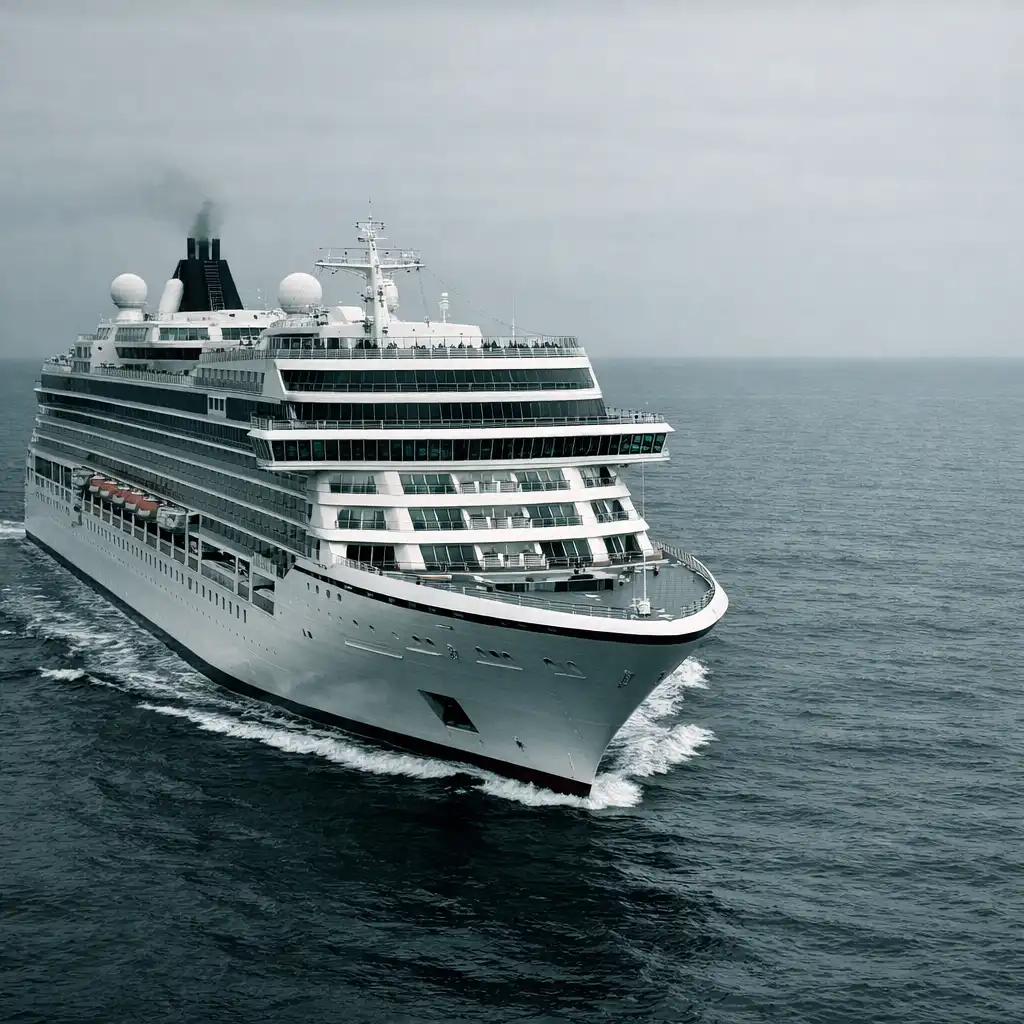
Cruise liner travelling across open water beneath an overcast horizon
SPECIMEN IMAGE / OPEN WATER CONTEXT
Cruise intelligence instrument
Editorial orientation / NZ

Read the ship as a complete onboard system.

Ocean Itinerary is an English-language informational cruise intelligence portal for New Zealand travellers. We examine how cruise liners work as connected daily environments: ships and cabins, dining and decks, entertainment, wellness and family facilities, itineraries, practical navigation, onboard notes, FAQs and factual casino information. This is planning and orientation material, not a cruise booking service or an operator timetable.

Research instrument map

Choose the evidence that fits your next question.

Start with the part of onboard life you need to understand. Each route is designed to support practical comparison and calm preparation rather than a headline-only view of a ship.

Vessel profile

Ship reviews

Our ship reviews read a liner as a connected onboard system, not a list of attractions. Cabins, dining, deck infrastructure, entertainment, wellness, family facilities and navigation are considered in relation to one another, so practical fit can be clearer before a traveller focuses on individual highlights.

Open ship reviews
Cabin / comparison

Cabin comparisons

Cabin research looks beyond category names toward daily trade-offs: storage, circulation, sleep setup and location considerations. The comparison path is intended to help visitors relate room layout to their own routine rather than assume one option is universally better.

Compare cabin contexts
Shared-space scan

Onboard life scans

Dining, deck infrastructure, entertainment, wellness and family facilities can each be investigated as their own system. Access, layout and operating context can shape how a space is used, so the portal keeps those areas connected within broader ship coverage.

  • Dining
  • Deck infrastructure
  • Entertainment
  • Wellness
  • Family facilities
Informational guide

Casino guide

The casino guide is factual preparation for poker, roulette and blackjack, with attention to table atmosphere, etiquette, opening times, access conditions and responsible play. It does not promise winnings or financial outcomes; it helps visitors understand the setting and the questions worth checking in context.

Read casino guidance
Route / field note

Routes and onboard notes

Route research joins itinerary context with practical onboard navigation notes. It is a planning route for understanding a sailing’s wider frame and the day-to-day questions that can arise aboard, without presenting real-time schedules or live operational claims.

Read routes and notes
Query path / 06

Answers and editorial contact

Use the FAQ for common research questions, then use the editorial contact route for an unresolved factual query or a correction. These pathways are for information and clarification, not reservations support.

Editorial method

How a ship is read.

A liner works through linked spaces, routines and access points. Ocean Itinerary uses that relationship to make review material more useful: a cabin is part of a daily route, and a facility is part of a wider onboard pattern.

01 / Cabin / use pattern

Cabin as a daily-use environment

Cabin analysis considers sleeping, storage, movement, possible noise exposure and location as parts of day-to-day onboard use. Rather than present one cabin type as best for everyone, comparisons identify trade-offs that may matter to different travel patterns and point naturally toward the dedicated cabin comparison material.

02 / Connected destinations

Decks as circulation and access

Deck infrastructure is read through wayfinding, adjacency, crowd flow and the practical relationship between facilities. The route between dining, entertainment, wellness and family facilities can affect an onboard routine, even when no single space should be treated as universally decisive.

CabinsDecksDiningEntertainmentWellnessFamily
Operational context

Onboard notes as context

Practical notes help visitors interpret venue access, schedule variability, navigation and conditions that can change an experience. Onboard arrangements can vary by sailing and ship context, so notes are not presented as real-time information. Routes and Onboard Notes provides the detailed route.

Vessel review / specimen

System profile before highlights.

Useful ship research starts by mapping overall character and the relationship between key spaces before isolating individual attractions. That approach helps visitors compare practical fit across onboard systems without turning a review into a universal ranking of ships.

AccommodationCabin use and location context.
Shared spacesDining, decks, entertainment, wellness and family facilities.
Onboard rhythmPractical navigation and operational notes.
Open ship reviews
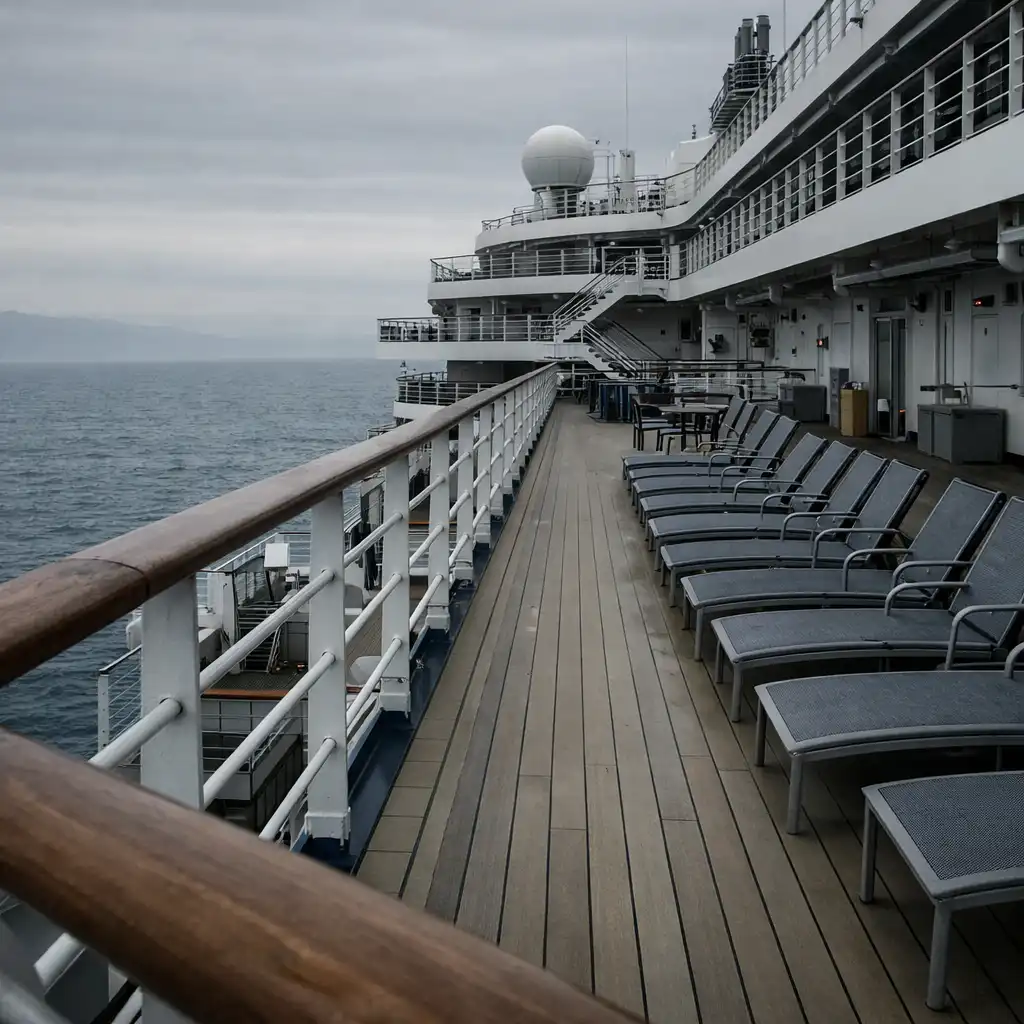
Cruise ship outer deck with railings, seating areas and open ocean beyond
OUTER DECK STUDY / CIRCULATION AND SHARED SPACE
Cabin diagnostics

Compare a cabin beyond its category name.

A room category is only a starting point. Practical comparison asks how space, separation and position may support the way a traveller expects to use the ship each day.

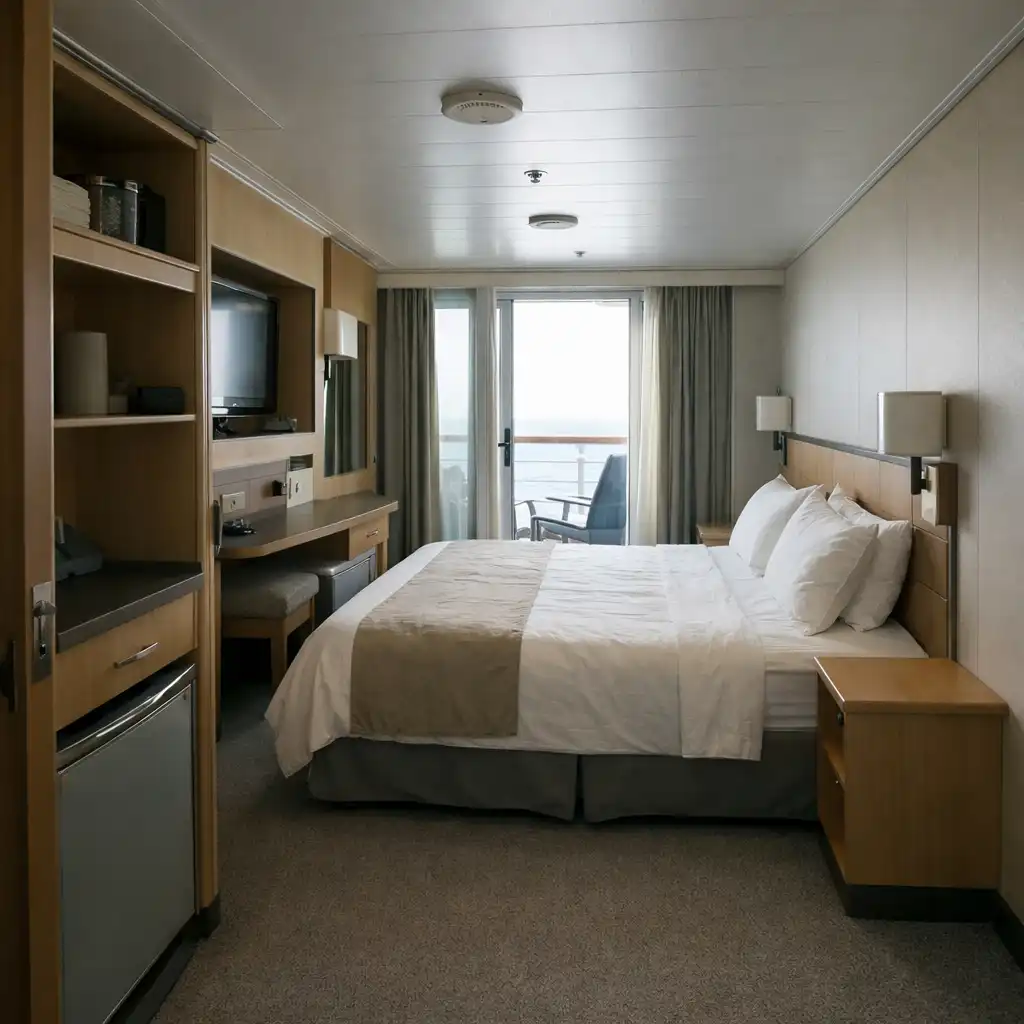
Unbranded cruise cabin showing bed area, storage and walking path
INTERIOR STUDY / LAYOUT AND CIRCULATION CONTEXT
01 / Rest

Sleep and separation

Inspect sleeping arrangements and the degree of separation that may suit different travel patterns. Layout matters alongside category labels, and comparison is more useful when it leaves room for individual priorities rather than assuming a single configuration is right for every guest.

02 / Flow

Storage and circulation

Consider where belongings can go and how readily people may move through the room during a cruise day. This is a practical comparison lens, not a claim about dimensions or fittings. A striped marker signals a prompt to inspect movement, not a performance score.

03 / Position

Location and daily route

A cabin’s position can change the path to dining, decks, entertainment, wellness and family facilities. Rather than declare a location quiet, central or superior, relate it to the intended onboard routine and the wider deck infrastructure you expect to use.

04 / Context

Comparison before commitment

Comparing trade-offs before relying on a category name alone creates a more grounded picture of daily use. Review the room in relation to circulation, storage, sleeping needs and the ship’s shared spaces, then continue into the dedicated comparison material.

Field note / cabin route

Cabin context is most useful when it remains connected to the rest of the ship, not isolated as a luxury label.

Compare cabin contexts
Onboard life / field scan

Read shared spaces in their working context.

Beyond the cabin, the portal follows the systems that shape a day aboard. Each is considered as part of movement, timing and access across the ship.

Shared cruise ship deck environment with seating and circulation routes
ENVIRONMENT SAMPLE / SHARED SPACE CONTEXT
Service / dining

Dining

Dining research considers spaces and practical use within the broader onboard routine. Movement and timing can be as relevant as the room itself, without inventing cuisine, dress codes, reservations or inclusions.

Structure / decks

Deck infrastructure

Decks form the framework for movement, outdoor use, orientation and access between facilities. Practical navigation helps explain that framework without claiming particular deck numbers or layouts.

Programme / entertainment

Entertainment

Entertainment coverage is about venue context and how it fits into the ship’s wider rhythm. The approach remains observational, without assuming show titles, schedules, capacity or access guarantees.

Recovery / wellness

Wellness

Wellness facilities are an onboard system visitors may want to locate and understand in relation to their routine. Coverage avoids health, treatment and access claims while keeping practical context visible.

Group use / family

Family facilities

Family facilities are considered alongside circulation, shared-space use and the wider ship environment. Neutral context supports family trip planning without assuming age policies, supervision or named programmes.

Informational only

Casino guide: table conditions before play.

The Ocean Itinerary casino guide is for understanding onboard table environments, game formats, etiquette, access conditions and practical variability—not for predicting results or encouraging play. No winnings or financial outcomes are promised. Responsible-play guidance is a core part of the guide, presented calmly for visitors who choose to use casino facilities.

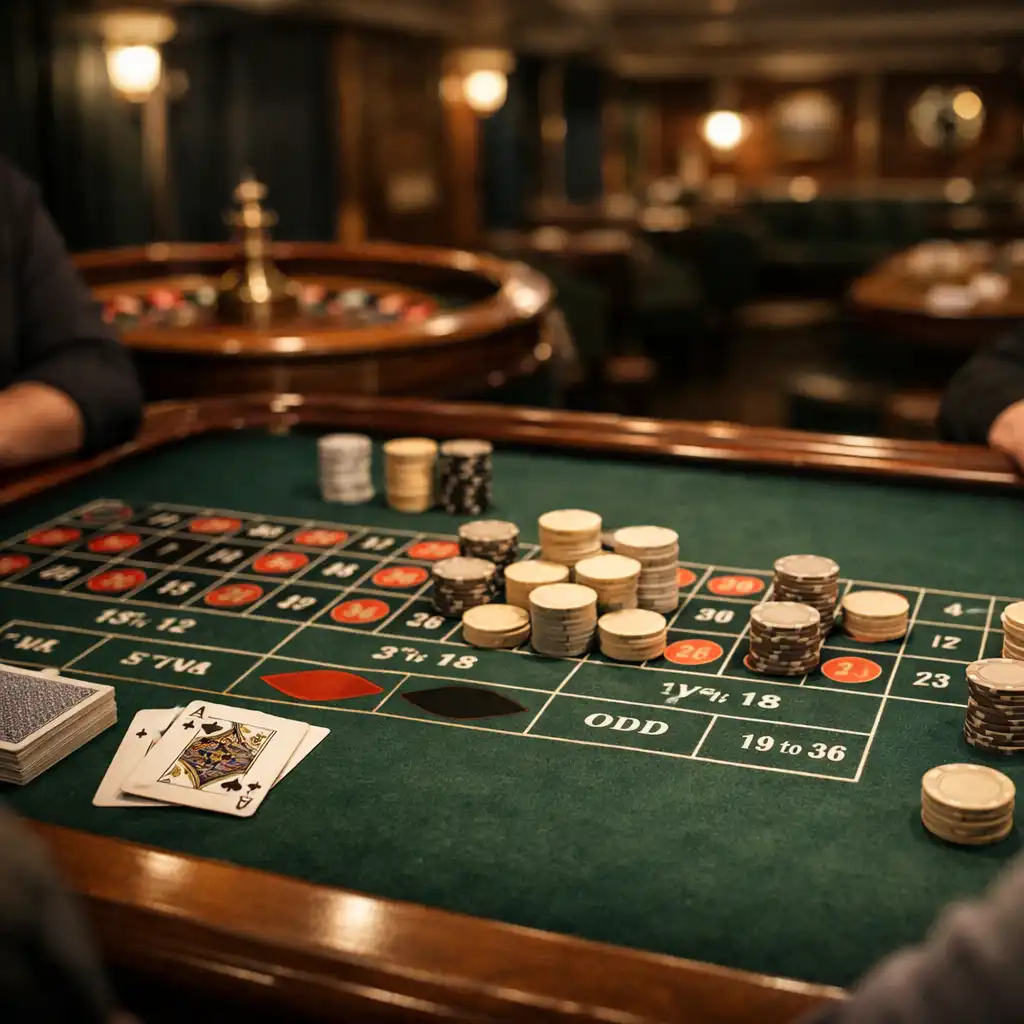
Observational shipboard casino table with roulette layout, cards and neutral chips
OBSERVATIONAL TABLE ENVIRONMENT / NOT OUTCOME-BASED
Table type / poker

Poker

Poker coverage looks at table atmosphere, participation etiquette and the value of observing the table environment before joining. Formats and conditions may vary, so the focus stays on shared-space awareness rather than strategies, stakes, tournaments or prizes.

Table type / roulette

Roulette

Roulette guidance introduces the table layout, the pace of observation and considerate interaction with staff and other guests. It is for familiarisation and etiquette, not betting systems, payout claims or assumptions about wheel variants.

Table type / blackjack

Blackjack

Blackjack coverage offers practical orientation to table pace, table awareness and respectful conduct in a shared space. It does not provide strategy advice or odds, and it does not claim fixed rules or availability aboard any ship.

Check onboard conditions

Access windows and table conduct

Casino opening times and access conditions can vary by ship and sailing context. Check onboard information, approach tables with patience and awareness, and allow the atmosphere and staff guidance to set the practical tone. This applies to opening times, table atmosphere and access conditions; no universal schedule, dress rule, cash process or age threshold is assumed here.

Responsible-play guidance

Keep personal limits visible.

For visitors who choose to use casino facilities, responsible play means setting personal limits and stepping away when play no longer feels comfortable. The detailed guide keeps this guidance alongside practical table information without moralising or offering financial advice.

View responsible-play guidance
Cruise ship travelling toward a distant horizon on open water
ROUTE CONTEXT / NON-SPECIFIC SAILING IMAGE
Route context

Connect itinerary thinking with onboard notes.

Routes provide the travel frame around a sailing, while onboard research helps visitors think about the ship experience between ports. This route-planning context does not suggest booking inventory or name destinations, sailing lengths or seasonal conditions; it supports a more joined-up preparation process.

Field note / navigation context

Practical navigation notes

Onboard notes support wayfinding, facility context, access windows and day-to-day planning questions. The portal covers practical navigation and onboard notes while recognising that conditions can vary; it does not present these records as live updates or specific deck directions.

Move from broad portal orientation into detailed route and onboard planning material.

Read routes and onboard notes
Support / triage

Need a fast answer?

The FAQ helps clarify useful terms and practical considerations before deeper research. It is a quick route into context, not a replacement for page-specific notes.

Before you compare

Use the FAQ to clarify terms and practical considerations that arise before comparing ships or cabins. It supports ship and cabin research without inventing a one-size-fits-all answer. For a complete set of common questions, open the FAQ page.

Before you use onboard facilities

Visitors may need practical context around dining, decks, entertainment, wellness, family facilities and casino etiquette. The FAQ helps frame those questions neutrally; casino-specific factual preparation remains available through the Casino Guide.

When conditions vary

Opening times, access conditions and onboard arrangements can vary, so page-specific notes should be read in context rather than treated as live service details. Use the complete FAQ for broader orientation and changing-condition questions.

Open all FAQs
Contact / editorial

Research and correction enquiries.

Contact Ocean Itinerary with a factual question, a correction request, or guidance on where to find relevant portal material. This is an informational cruise intelligence portal, not a booking desk. We cannot confirm ship operations, casino hours or sailing availability, but we can help direct an editorial enquiry to the right research path.

NZ base

Direct details

Address

Level 8, 1 Queen Street, Auckland 1010, New Zealand

Open contact page