Route intelligence / NZ

Routes and onboard notes

Ocean Itinerary helps New Zealand travellers read a cruise beyond its port list: as a moving onboard system shaped by sea days, arrival processes, ship circulation and changing local conditions. Published itineraries are useful planning frameworks, not guarantees. Use these notes alongside official voyage materials when preparing for practical decisions before and during a sailing.

Route rhythm

Assess the day-by-day pattern, not destinations alone.

Port operations

Verify shore instructions close to each call.

Onboard routine

Use ship reviews and cabin comparisons as preparation layers.

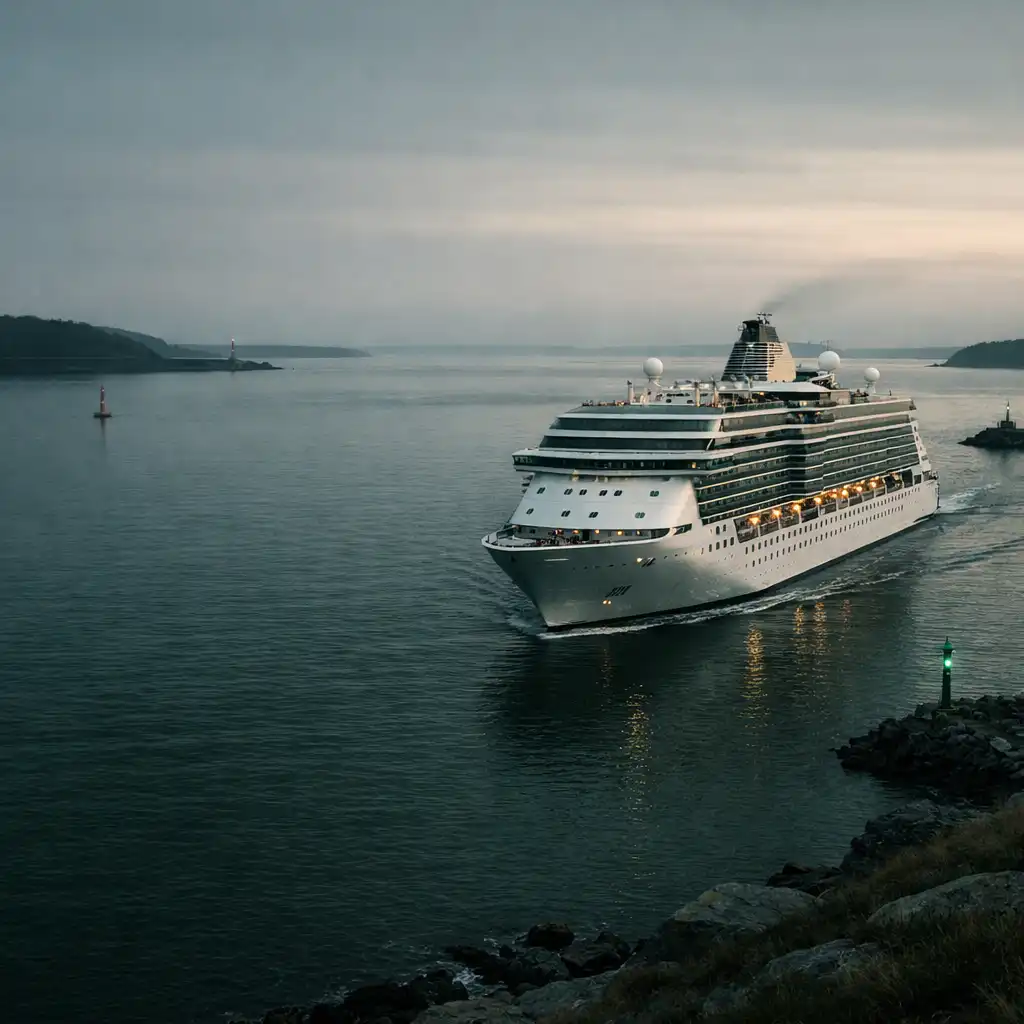
Cruise liner approaching a calm harbour channel
ROUTE RECORD / Harbour approach — conditions and instructions remain voyage-specific.

Planning framework

Read the itinerary as a system

A useful route assessment considers the practical rhythm around each destination: recovery time, shore windows, transfer pressure and the ship systems that become important between calls.

Sequence check

Port sequence

The order of calls affects recovery time, transport planning and how independently a traveller may realistically move ashore. Look at the gaps between port days rather than simply counting destinations. Early arrivals and the stated all-aboard time shape the usable day, particularly when a return journey has several moving parts.

Interval reading

Sea-day interval / onboard focus

Sea-day interval

Sea days can feel restorative, busy or weather-exposed depending on the vessel and the traveller. They bring cabin comfort, deck access, entertainment, dining demand and wellness planning into sharper focus. There is no universal ideal number; compare the ship systems you expect to use between port calls.

Ground transfer

Terminal / arrival buffer / baggage

Embarkation and disembarkation geography

Consider transfer distance, arrival buffer, baggage handling and how the terminal location shapes the first and final day. For New Zealand travellers, travel connections may add another timing layer. Allow room for formalities and transport variability, then rely on the instructions provided for the particular voyage rather than a generic terminal routine.

Access window / verify

Overnight and late-departure context

An extended call may alter evening choices, dining timing and return-to-ship planning. It does not automatically mean unrestricted access or a fixed shore window. Check the official itinerary, shipboard notices and relevant port information, because local conditions and operational decisions can still change how time ashore is arranged.

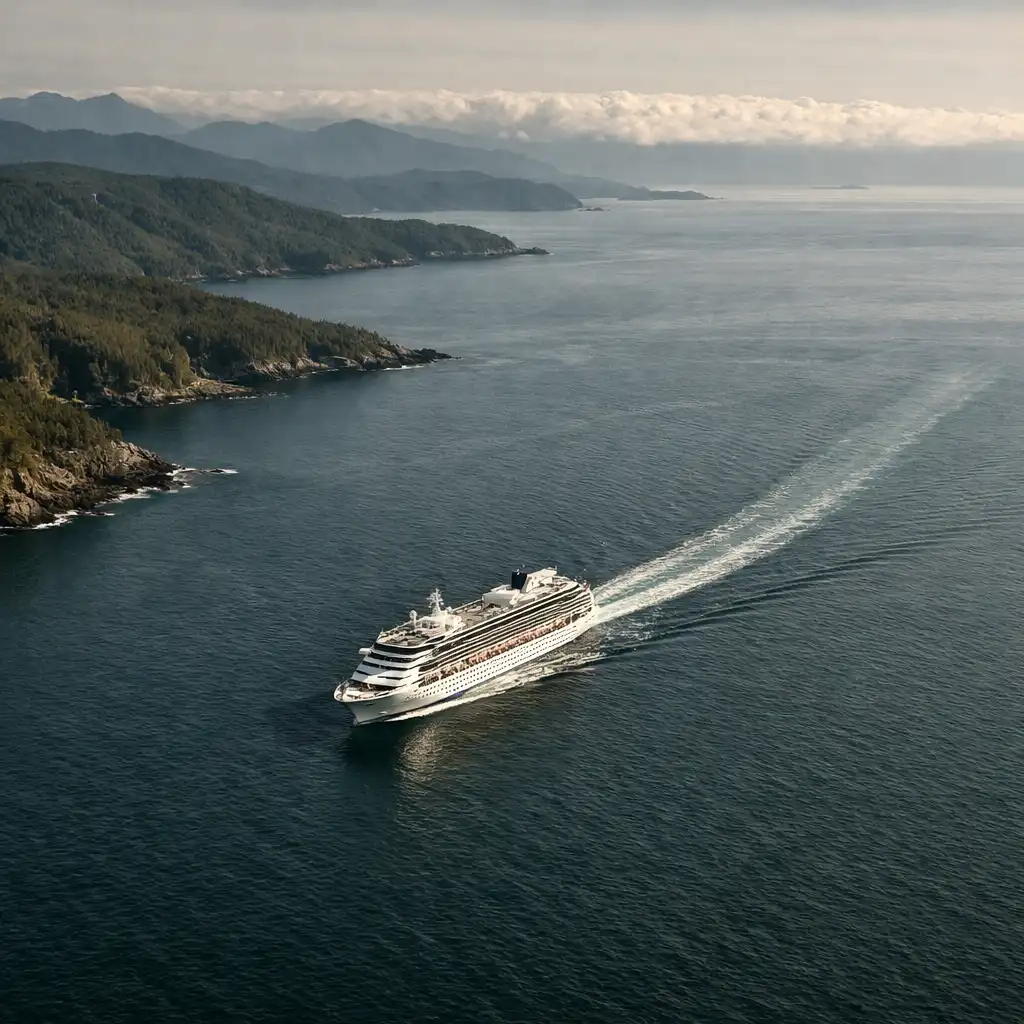
Cruise ship leaving a wake along a rugged coastline
FIELD IMAGE / Route wake and coast are contextual, not a named itinerary.

Field profiles

Route archetypes without a sales pitch

These are planning lenses rather than recommendations or a complete list. The useful question is how the sequence will feel day to day.

Port-intensive rhythm

Frequent calls can favour destination activity while placing more emphasis on early starts, return times and recovery planning. Review likely transit time and the official all-aboard instruction. Ship facilities may be experienced in shorter windows, so identify the onboard spaces that matter before the day becomes busy.

Planning lens / shore cadence

Sea-day-led rhythm

More time at sea makes the vessel central. Cabin selection, indoor spaces, deck circulation, dining options and activity preferences can become more significant than a destination list. Compare ship systems rather than treating all sea days alike, and remember that sea conditions can influence outdoor use.

Planning lens / onboard focus

Mixed or repositioning rhythm

Routes that combine concentrated port periods with longer passages ask travellers to balance destination plans with self-contained onboard days. Read the actual day-by-day sequence and consider both modes. This lens does not assume a distance, crossing or region; it simply helps reveal when the ship itself will carry more of the experience.

Planning lens / alternating cadence

Operational caution

Port-day operating conditions

A port line on an itinerary is the start of planning, not the full operating picture. Day-of instructions are the practical reference for getting ashore and returning.

Berth, tender, or revised access

A call can involve different shore-access arrangements. Tender operations, berth allocation and local conditions can change the time and process required to go ashore. The ship’s official notices are the useful source for day-of instructions; this general record is not evidence that any individual port uses tenders or follows one access pattern.

Arrival formalitiesShore windowReturn buffer

Clearance, timing, and return buffer

Arrival formalities, local procedures, transport variability and the ship’s all-aboard time influence the usable shore window. Retain a realistic return buffer rather than planning to the final minute. The all-aboard instruction is ship-specific and should be followed, even when a personal plan or local timetable changes.

Weather condition / operational note

Weather and navigational judgement

Weather, sea state, visibility and navigational judgement can affect outdoor operations, route timing and port calls. Safety decisions take precedence over a planned experience. Keep the response factual and flexible: check official instructions, adjust personal plans where necessary and avoid treating a published schedule as a real-time operational promise.

Embarkation record

Before you board: navigation baseline

A short preparation sequence can make the first onboard hours easier to use without replacing operator instructions.

Read official voyage documents

Confirm the official boarding window, terminal instructions, identity and travel documentation requirements, luggage guidance and any latest route updates supplied for your voyage. Treat this as a personal check, not a substitute for operator instructions. The document set for the sailing is the appropriate source when details conflict with general travel advice.

Map the first onboard hour

Once onboard, locate the cabin area, safety information, guest-services route, key dining information and the day’s programme. This small orientation pass supports smoother movement through an unfamiliar ship. Facility names and locations vary, so use the vessel’s own signs and deck information rather than expecting an identical layout.

Set local time and notifications

Understand the ship’s stated time convention, review schedule notices and keep an eye on the official daily programme as routing and activity details evolve. Do not assume a personal device clock, normal phone routine or connectivity method will automatically match ship time or the working information source onboard.

Preserve a return-to-ship routine

For port days, carry the information needed to identify the vessel and terminal process, watch the official all-aboard instruction and leave a conservative return buffer. This is a generic, safety-led habit rather than a statement about a particular check-in or gangway procedure. Conditions can change during the day.

Field note / deck flow

Sea-day field notes

A day at sea is easier to use when the vessel is treated as a connected set of spaces, routines and changing conditions.

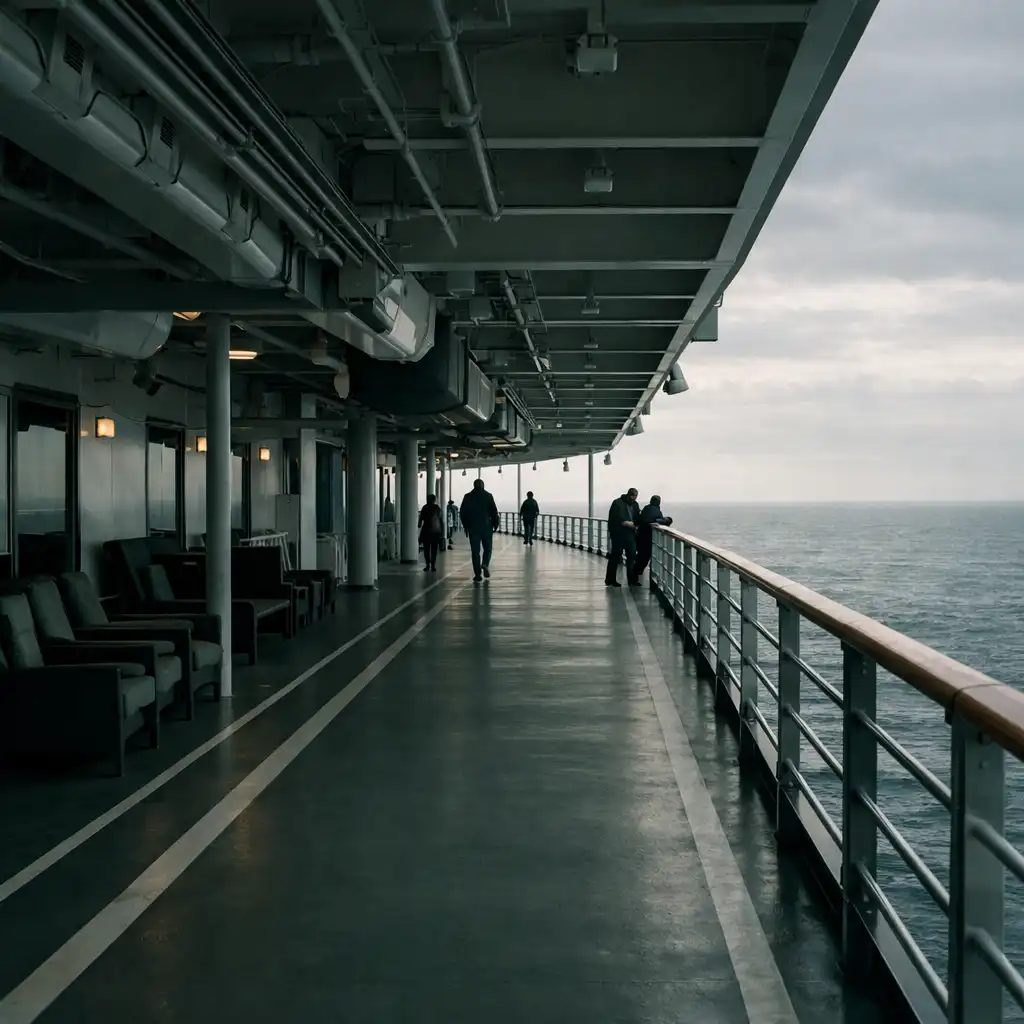
Open cruise ship promenade deck with railings and sea beyond
DECK FLOW / Observe routes between quiet, active and sheltered spaces.

Deck flow / field note 06

Choose a base, then move deliberately

A sea day can feel more manageable when you identify a preferred quiet zone, active deck, indoor fallback and meal timing rather than trying to use every facility at once. Crowds, weather and programming can alter how spaces feel. This approach connects deck infrastructure with onboard circulation: choose a useful base, then move between activities with enough time for the ship’s scale.

Service window

Dining timing

Read the daily programme and venue information, then plan meals around excursions, shows, family routines and likely sea-day demand. Reservations, venues, inclusions and opening hours are ship-specific. For a closer scan, use relevant dining material alongside the voyage’s official onboard information.

Open / covered

Deck and weather choices

Consider shade, wind exposure, indoor alternatives and the route between spaces when choosing where to spend time. Outdoor conditions remain variable. The practical aim is comfort and easier movement, not a promise that a particular deck will be available or feel the same all day.

Quiet zone / cabin base

Cabin reset

On a full sea day, the cabin can be a practical recovery space. Layout, storage, noise sensitivity and proximity to key areas become relevant comparison factors. Explore cabin comparisons for context, while avoiding assumptions about a specific room or vessel.

Schedule strip

Programme and family pacing

Activities, entertainment and family facilities are easier to use when priority windows are chosen and room is left for queues, meals and downtime. No programme is guaranteed. The daily programme is the relevant onboard source for what is planned, where it is held and whether timing changes.

Infrastructure record

Movement, access, and wayfinding onboard

Physical orientation matters on a large vessel. Use these notes as illustrative wayfinding lenses, not as a ship-specific deck map or access certification.

Vertical movement

Learn the relationship between elevators, stairs, deck numbers and the locations you expect to use most often, especially at busy changeover times. Allow extra time when moving between programmed events. This is general wayfinding, not a claim about a vessel’s accessibility features, lift locations or circulation pattern.

Forward, midship, and aft logic

Learning the ship’s directional language can reduce missed turns and help judge walking distance between cabins, dining, theatres, pools and gathering areas. Deck plans differ between vessels. The same directional awareness can make cabin-location research more useful before departure.

Verify ship-specific information

Access needs and ship-specific verification

Travellers with mobility, sensory, family or equipment needs should review the relevant ship’s official deck plans and access information before relying on a general note. This is respectful, practical verification, not a promise about lifts, ramps, cabins, assistance or suitability for an individual traveller.

Information control

Connectivity and daily information loop

Keep plans current by returning to the working information sources onboard instead of relying on assumptions made before sailing.

Daily programme

Daily programme as the working record

The ship’s official daily programme is the central reference for activities, dining details, theatre timings, meeting points and day-specific changes. Its format varies by ship. Check it again after embarkation and before key plans, because it is a working record rather than a generic description of onboard life.

Operational notices

Ship notices and public screens

Shipboard notices and displayed updates can be relevant operational guidance for timing, location and access changes. Not every ship uses screens or the same communication system, so treat the vessel’s own notices as the source rather than assuming a particular technology setup.

Device time / verify onboard

Personal device assumptions

Do not assume normal phone, clock or connectivity habits will automatically match ship time, onboard communication tools or coverage conditions. Check voyage-specific information and keep the official daily record close when timing matters. This page does not offer packages, prices or connection guarantees.

Casino note

Casino note: access, timing, and table context

Casino time can be an optional part of an onboard evening. Plan it as a factual, personal choice and check conditions on the ship.

Access window / verify onboard

Operating context

Casino access and operating times can vary with the ship’s location, local rules, operational decisions and voyage-specific conditions. Check official onboard information rather than relying on a standard opening time or access assumption. This note does not make claims about international waters, individual jurisdictions or the conditions of a particular sailing.

Quiet cruise ship casino table with cards and roulette layout
TABLE CONTEXT / Observational detail, not outcome-oriented imagery.

Plan the table atmosphere, not an outcome

Poker, roulette, blackjack, table etiquette and atmosphere are useful topics to understand before participating. Casino time is optional, and it should not be treated as a route benefit or a financial proposition. For game-specific factual context, Read the Casino Guide.

Research paths

Route and onboard research paths

Move from general route context into the ship-specific questions that will make a personal plan more practical.

Ship review path

Inspect the vessel

Use ship reviews for a fuller view of a liner as an onboard system, including facilities and practical patterns that matter on sea days.

Open ship reviews

Cabin diagnostic

Compare the cabin as a route base

Cabin location and configuration can matter more when a route has multiple sea days or varied port-day departure times.

Compare cabins

Casino guide / informational

Build a casino context

Explore poker, roulette, blackjack, etiquette, table atmosphere, opening-time variability and responsible-play information.

Open Casino Guide

Question route

Resolve practical questions

Use the FAQ for broader questions, or take a direct route to Ocean Itinerary when you need further information.

Final route check

Five checks before departure

  1. 01

    Read the official day-by-day itinerary

    Use the published sequence to understand the rhythm, then leave room for operational change rather than treating every line as fixed.

  2. 02

    Confirm boarding and terminal instructions

    Review voyage documents for the current boarding window, terminal process and practical arrival guidance.

  3. 03

    Plan port-day timing and return expectations

    Keep official all-aboard instructions central, build a conservative return buffer and watch for day-of notices.

  4. 04

    Check cabin and ship-system fit

    Compare cabin position, dining, deck movement and indoor fallback spaces against the route’s expected sea-day rhythm.

  5. 05

    Use shipboard notices for final details

    The daily programme and official notices are the practical working record once the voyage begins.

Ocean Itinerary is an informational cruise intelligence portal. The strongest route plan leaves room for official instructions and changing conditions while making the ship itself easier to use once sailing begins. Continue with Ship Reviews or the FAQ.